Sport as a Tool for Social Integration: The Roles of Women and Indigenous Peoples
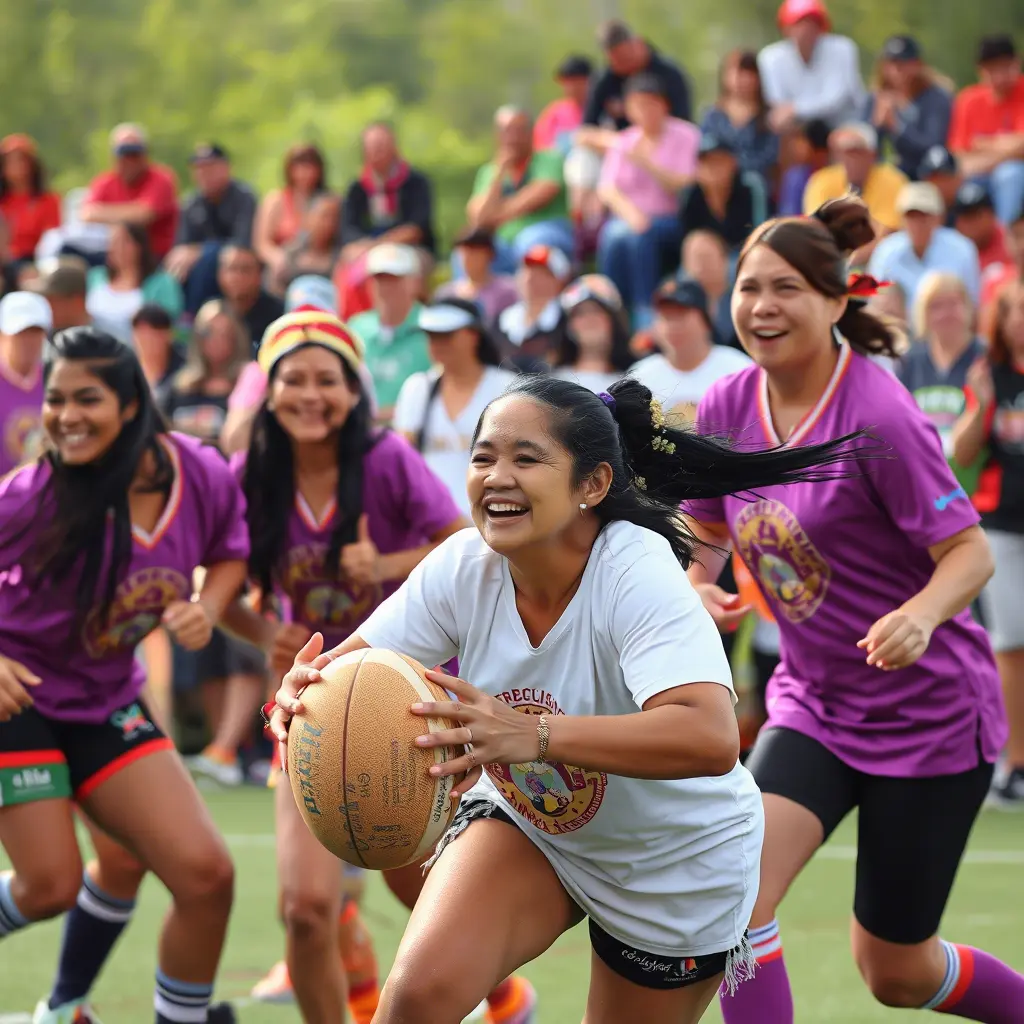
Sport has long been recognized as a powerful tool for promoting social integration, breaking down barriers, and fostering inclusivity. In Australia, sport has played a transformative role in advancing gender equality and empowering Indigenous communities. This article explores how women and Indigenous peoples are using sport to challenge stereotypes, promote reconciliation, and create a more inclusive society.
1. Breaking Gender Barriers Through Sport
For decades, women in Australia have faced significant challenges in accessing opportunities in sports traditionally dominated by men. However, recent years have seen remarkable progress in promoting gender equality through sport.
The Rise of Women’s Sports
- Women’s participation in sports like Australian Rules Football, rugby, and cricket has surged, thanks to initiatives like the AFL Women’s League (AFLW), Super W (rugby), and the Women’s Big Bash League (cricket).
- These leagues have not only provided female athletes with platforms to showcase their talent but also inspired young girls to pursue sports as a viable career path.
Role Models and Advocates
- Athletes like Sam Kerr (soccer), Ellyse Perry (cricket), and Tayla Harris (AFLW) have become role models, advocating for gender equality both on and off the field.
- Their success has challenged traditional gender norms and demonstrated that women can excel in any sport they choose.
Community Programs
- Grassroots programs like Girls Make Your Move and She Runs, She Jumps aim to encourage young women to participate in sports, promoting physical activity, confidence, and leadership skills.
- These initiatives are helping to close the gender gap in sports participation and create a more equitable sporting landscape.
2. Empowering Indigenous Communities Through Sport
Indigenous Australians have faced systemic discrimination and marginalization throughout history. Sport has emerged as a powerful tool for empowerment, reconciliation, and cultural celebration within these communities.
Celebrating Indigenous Heritage
- Traditional Indigenous games like Marn Grook have been revived and integrated into modern sports programs, highlighting the contributions of Aboriginal and Torres Strait Islander peoples to Australian sports culture.
- Events like the Indigenous Round in the AFL celebrate Indigenous heritage, with players wearing specially designed jerseys and performing traditional ceremonies before matches.
Inspiring Role Models
- Indigenous athletes like Adam Goodes (AFL), Patty Mills (basketball), and Johnathan Thurston (rugby league) have used their platforms to advocate for social justice and reconciliation.
- Adam Goodes, in particular, became a symbol of resilience after facing racial abuse during his career. His advocacy work continues to inspire conversations about racism and inclusion in Australia.
Grassroots Initiatives
- Programs like Indigenous Sporting Chance and Deadly Choices use sport as a vehicle to engage Indigenous youth, providing them with opportunities to develop skills, build confidence, and pursue education and employment pathways.
- These initiatives are helping to break cycles of disadvantage and empower the next generation of Indigenous leaders.
3. Stories of Inspiration: Real-Life Examples
Behind the progress in social integration are stories of individuals and organizations that have made a tangible impact through sport.
Cathy Freeman: A Symbol of Unity
- Cathy Freeman’s victory at the Sydney 2000 Olympics, where she carried both the Aboriginal and Australian flags, became a defining moment for reconciliation in Australia.
- Her achievements inspired Indigenous youth to dream big and believe in their potential, while also challenging non-Indigenous Australians to embrace diversity and inclusion.
Sam Kerr: Leading by Example
- As captain of the Australian women’s soccer team, Sam Kerr has become a global icon, breaking records and shattering glass ceilings in the sport.
- Her leadership and determination serve as an inspiration to young women, showing them that they can achieve greatness regardless of societal barriers.
Patty Mills: Championing Indigenous Causes
- Patty Mills, an NBA champion and proud Indigenous Australian, uses his platform to advocate for Indigenous rights and social justice.
- He has organized events like the Possum Magic Cup , a basketball tournament aimed at bringing Indigenous and non-Indigenous communities together through sport.
4. The Broader Impact of Sport on Social Integration
Sport has far-reaching benefits beyond individual achievement, contributing to community development, reconciliation, and social cohesion.
Building Bridges Between Cultures
- Sport provides a neutral space where people from different backgrounds can come together, fostering mutual respect and understanding.
- Programs like Reconciliation Action Plans (RAPs) in sports organizations aim to address inequality and promote meaningful engagement with Indigenous communities.
Promoting Health and Well-being
- Participation in sport improves physical and mental health, which is particularly important for marginalized groups like Indigenous Australians and women.
- Initiatives like Indigenous Marathon Project help participants build resilience, discipline, and self-esteem, transforming lives along the way.
Economic Opportunities
- Sport creates pathways to employment and education, particularly for Indigenous youth who may face limited opportunities in other sectors.
- Programs like Role Models and Leaders Australia (RMLA) provide mentorship and support to young Indigenous athletes, helping them transition into careers in sports administration, coaching, or media.
5. Challenges and Future Perspectives
While sport has made significant strides in promoting social integration, there are still challenges that need to be addressed to ensure lasting change.
Addressing Systemic Inequality
- Despite progress, women and Indigenous peoples continue to face barriers in terms of funding, visibility, and representation in sports.
- Greater investment and policy changes are needed to level the playing field and ensure equal opportunities for all.
Combating Racism and Discrimination
- High-profile incidents of racism in sports highlight the ongoing need for education and awareness campaigns to combat prejudice.
- Organizations must take proactive steps to create safe and inclusive environments for all participants.
Sustainability
- To ensure long-term impact, it is crucial to create sustainable programs that address the root causes of inequality and empower marginalized groups.
- Partnerships between governments, sports organizations, and community groups will be key to achieving this goal.
6. Conclusion
Sport has proven to be a powerful tool for promoting social integration in Australia, breaking down barriers and creating opportunities for women and Indigenous peoples. From grassroots programs to high-profile athletes, sport is driving positive change and fostering a more inclusive society. While challenges remain, the progress achieved so far demonstrates the potential of sport to unite communities and inspire future generations. With continued commitment and collaboration, sport will remain a cornerstone of Australia’s journey toward equality and reconciliation.













Post Comment