Sport as Diplomacy: Australia on the Global Stage Through Sports
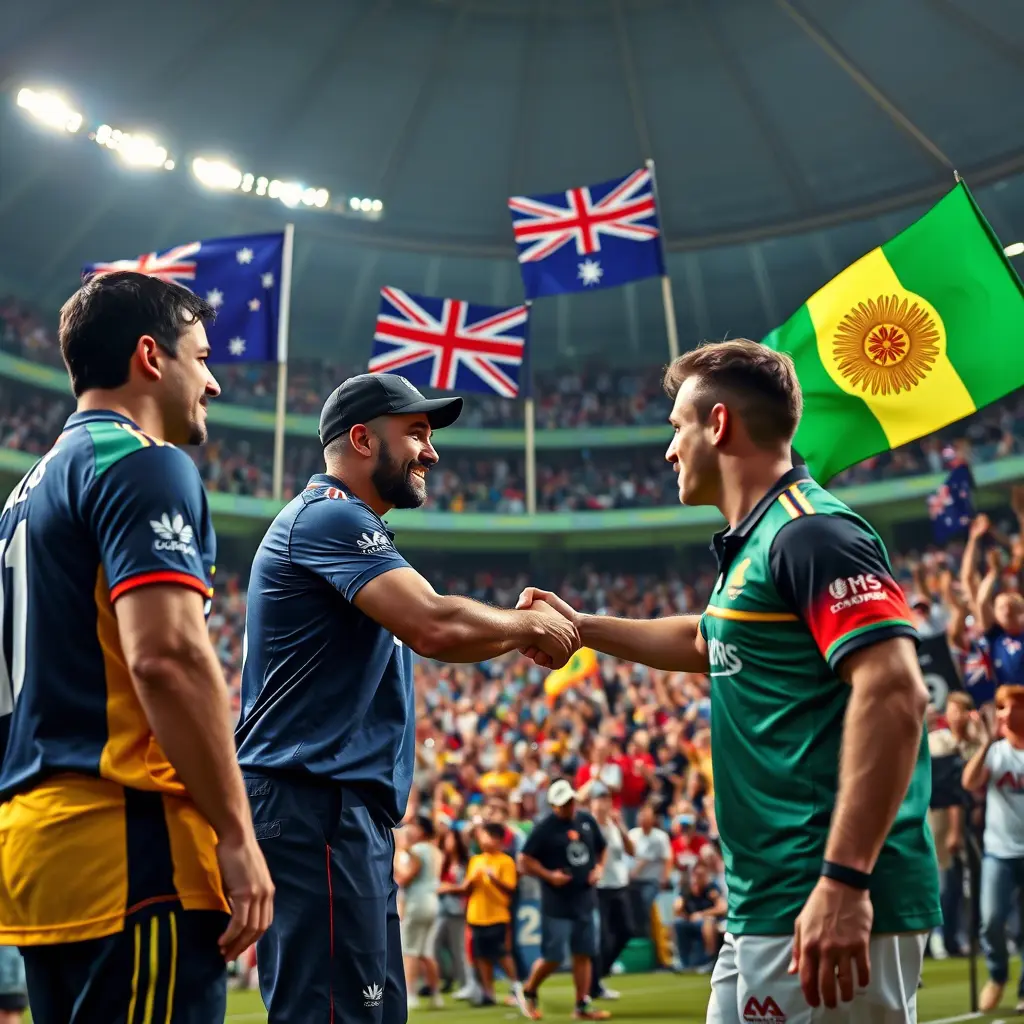
Sport has long been a universal language that transcends borders, cultures, and politics. For Australia, sport is not just a source of national pride but also a powerful tool for diplomacy. From hosting international events to fostering cultural exchanges, Australia has used sport to strengthen its global relationships, promote its values, and showcase its unique identity. This article explores how sport has become a cornerstone of Australia’s diplomatic efforts on the world stage.
1. The Role of Sport in Australian Diplomacy
Sport plays a vital role in shaping Australia’s image abroad, fostering goodwill, and building bridges between nations.
Hosting Global Events
- Hosting major sporting events like the Sydney 2000 Olympics , the Melbourne Commonwealth Games , and the Australian Open has positioned Australia as a leader in organizing world-class competitions.
- These events attract thousands of athletes, officials, and spectators from around the globe, creating opportunities for cultural exchange and international collaboration.
Promoting Cultural Exchange
- Sporting events provide a platform for showcasing Australia’s rich culture, from Indigenous traditions to modern innovations.
- Performances by Indigenous artists, displays of Aboriginal art, and celebrations of multiculturalism are often integrated into events, highlighting Australia’s diversity and inclusivity.
Strengthening Bilateral Relations
- Australia has used sport to strengthen ties with key allies and neighbors, particularly in the Asia-Pacific region.
- Programs like PacificAus Sports support athletes from Pacific Island nations, fostering partnerships and promoting regional unity through shared sporting passions.
2. Stories of Diplomatic Success Through Sport
Behind Australia’s diplomatic achievements through sport are stories of individuals, teams, and organizations that have made a tangible impact on the global stage.
The Sydney 2000 Olympics: A Diplomatic Triumph
- The Sydney 2000 Olympics were widely praised for their organization, hospitality, and celebration of diversity.
- The event brought together athletes and spectators from over 200 countries, promoting peace, understanding, and unity through sport.
Cathy Freeman: A Symbol of Reconciliation and Unity
- Cathy Freeman’s victory at the Sydney Olympics, where she carried both the Aboriginal and Australian flags, became a symbol of reconciliation and national pride.
- Her story resonated globally, inspiring conversations about Indigenous rights and cultural inclusion.
Patty Mills: Bridging Cultures
- Patty Mills, an NBA champion and proud Indigenous Australian, has used his platform to advocate for Indigenous causes and promote cross-cultural understanding.
- His leadership in initiatives like the Possum Magic Cup , a basketball tournament for Indigenous and non-Indigenous youth, exemplifies how sport can unite communities and foster dialogue.
3. Strengthening Regional Ties Through Sport
Australia has leveraged sport to build stronger relationships with its neighbors, particularly in the Asia-Pacific region.
PacificAus Sports Initiative
- The PacificAus Sports program supports athletes from Pacific Island nations, providing them with training opportunities, scholarships, and access to Australian facilities.
- This initiative not only strengthens ties with neighboring countries but also promotes regional development and cooperation.
Cricket Diplomacy
- Cricket has played a significant role in strengthening Australia’s relationships with countries like India, Pakistan, and England.
- Events like the Ashes Series and tours to South Asia have fostered mutual respect and camaraderie between nations.
Rugby and Regional Unity
- Rugby has been a unifying force in the Pacific region, with Australia supporting the growth of the sport in countries like Fiji, Samoa, and Tonga.
- Collaborations like the Pacific Nations Cup highlight the power of sport to bring nations together and celebrate shared values.
4. Promoting Australia’s Values Globally
Through sport, Australia has promoted its core values of inclusivity, resilience, and innovation on the global stage.
Inclusivity and Diversity
- Australia’s commitment to gender equality and multiculturalism is reflected in initiatives like the AFL Women’s League (AFLW) and programs supporting Indigenous athletes.
- These efforts demonstrate Australia’s dedication to creating a more inclusive and equitable world through sport.
Resilience and Perseverance
- Athletes like Ian Thorpe, Layne Beachley, and Adam Goodes embody the values of resilience and determination, inspiring millions worldwide.
- Their stories serve as reminders of the importance of perseverance in overcoming challenges, both on and off the field.
Innovation and Sustainability
- Australia has been a pioneer in adopting sustainable practices in sports, from eco-friendly stadiums to reducing plastic waste at events.
- These innovations position Australia as a leader in responsible and forward-thinking approaches to global challenges.
5. Challenges and Future Perspectives
While sport has proven to be an effective tool for diplomacy, there are challenges that need to be addressed to ensure its continued success.
Balancing Competition and Collaboration
- While sport can unite nations, it can also lead to tensions, particularly in highly competitive environments.
- Ensuring that events prioritize collaboration and mutual respect is crucial for maintaining positive diplomatic relations.
Addressing Geopolitical Issues
- Sporting events can sometimes become platforms for geopolitical disputes or protests.
- Navigating these challenges requires careful planning, transparency, and open communication with all stakeholders.
Ensuring Long-Term Impact
- To maximize the benefits of sport diplomacy, it is essential to create sustainable programs that address root causes of inequality and promote lasting change.
- Partnerships between governments, sports organizations, and international bodies will play a key role in achieving this goal.
6. Conclusion
Sport has become a cornerstone of Australia’s diplomatic efforts, promoting cultural exchange, strengthening international relationships, and showcasing the country’s values on the global stage. From hosting iconic events like the Sydney Olympics to supporting athletes in the Pacific region, Australia has demonstrated the power of sport to unite people and inspire positive change. While challenges remain, the progress achieved so far highlights the potential of sport to transcend borders and foster understanding. With continued investment and collaboration, Australia will remain a leader in using sport as a tool for diplomacy and global engagement.













Post Comment