Marn Grook and Indigenous Traditions: The Roots of Modern Sports
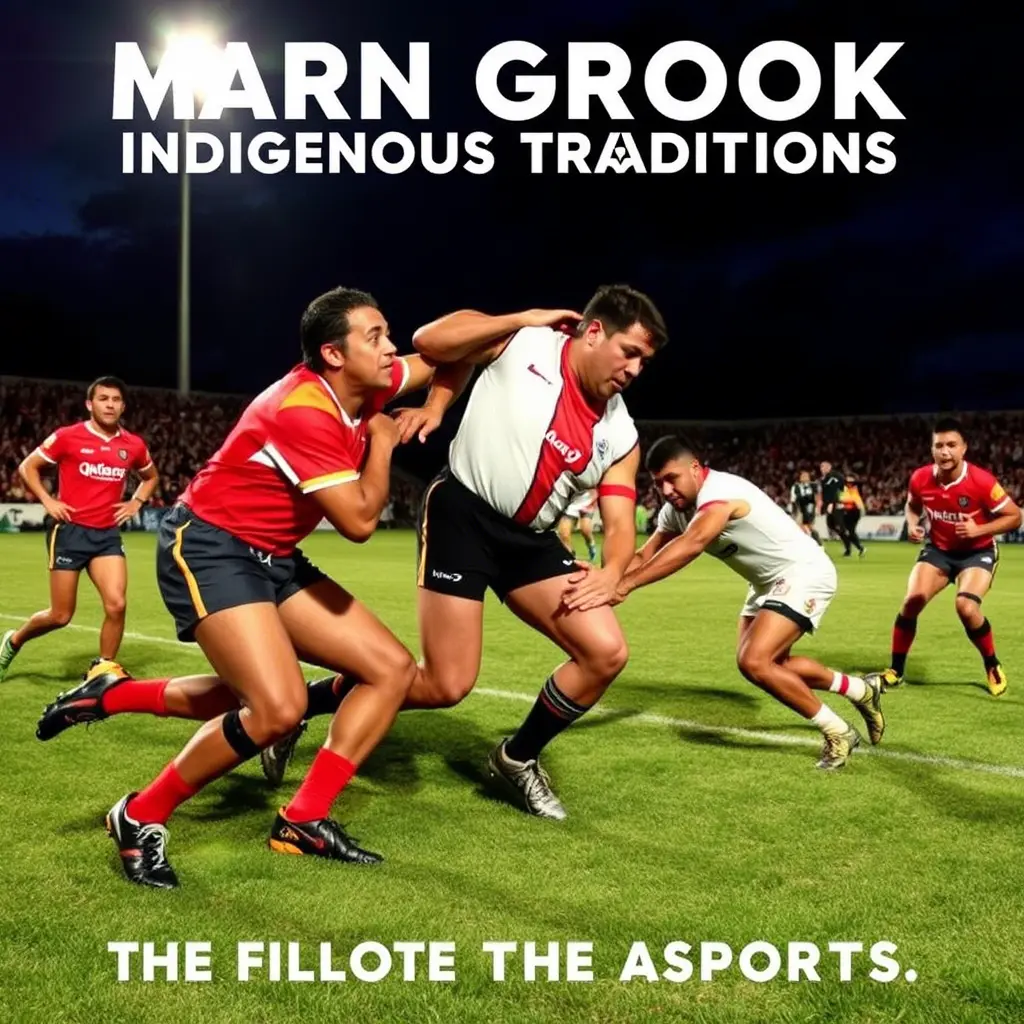
The rich cultural heritage of Indigenous Australians has played a significant role in shaping modern sports in the country. One of the most notable examples is Marn Grook , a traditional Aboriginal game that is believed to have influenced the development of Australian Rules Football. This article explores how Indigenous traditions like Marn Grook have laid the foundation for contemporary sports and continue to be celebrated as symbols of resilience, culture, and connection.
1. The Origins of Marn Grook
Marn Grook, which translates to “ball” or “game ball” in the Gunditjmara language, was played by Indigenous communities in southeastern Australia long before European settlement. It was more than just a sport—it was a celebration of community, skill, and cultural identity.
How Marn Grook Was Played
- Marn Grook involved kicking, catching, and throwing a possum-skin ball, with players showcasing incredible athleticism, agility, and teamwork.
- The game often took place over large areas, with participants demonstrating remarkable endurance and coordination.
Cultural Significance
- Marn Grook was not merely a recreational activity; it held deep cultural and spiritual significance for Indigenous communities.
- The game fostered social bonds, resolved conflicts, and taught valuable life skills such as teamwork, discipline, and respect for others.
Connection to Australian Rules Football
- Many historians believe that Marn Grook influenced the creation of Australian Rules Football in the 19th century.
- Early settlers observed Indigenous games and incorporated elements into their own versions of football, laying the groundwork for what would become one of Australia’s most beloved sports.
2. Celebrating Indigenous Contributions to Sport
Indigenous Australians have made invaluable contributions to sports, both through traditional practices like Marn Grook and through modern achievements in professional leagues.
Pioneers in Australian Sports
- Indigenous athletes have excelled in various sports, from AFL stars like Adam Goodes and Buddy Franklin to rugby legends like Johnathan Thurston and Greg Inglis.
- These athletes have not only achieved personal success but also used their platforms to advocate for Indigenous rights and reconciliation.
Reviving Traditional Games
- In recent years, there has been a renewed interest in reviving and celebrating traditional Indigenous games like Marn Grook.
- Events such as the Indigenous Games Festival showcase these ancient sports, educating participants and spectators about their cultural significance.
Symbolism in Modern Sports
- The influence of Marn Grook can still be seen in modern Australian Rules Football, particularly in the emphasis on high marking (catching the ball in the air), which is said to have originated from Indigenous techniques.
- Teams and organizations are increasingly recognizing and honoring this legacy, incorporating Indigenous art, music, and ceremonies into sporting events.
3. Stories of Inspiration: Real-Life Examples
Behind the celebration of Indigenous traditions are stories of individuals and communities who have worked tirelessly to preserve and promote their cultural heritage through sport.
Tom Wills: Bridging Cultures
- Tom Wills, one of the founders of Australian Rules Football, grew up near an Indigenous community and was inspired by their games, including Marn Grook.
- His efforts to codify the rules of the sport were influenced by his observations of Indigenous athleticism and teamwork.
Adam Goodes: A Champion for Reconciliation
- Adam Goodes, a proud Adnyamathanha man, became a vocal advocate for Indigenous rights during his AFL career.
- Despite facing racial abuse, he remained steadfast in his commitment to promoting reconciliation and raising awareness about the challenges faced by Indigenous Australians.
Buddy Franklin: Breaking Records, Inspiring Generations
- Lance “Buddy” Franklin, one of the greatest AFL players of all time, has inspired countless young Indigenous Australians to pursue careers in sports.
- His achievements on the field have brought pride to his community and highlighted the importance of representation in sports.
4. The Broader Impact of Indigenous Traditions
The influence of Indigenous traditions extends beyond sports, contributing to cultural preservation, education, and reconciliation efforts across Australia.
Promoting Cultural Awareness
- By celebrating Indigenous games and practices, sports organizations are helping to educate the broader Australian population about the rich history and contributions of Aboriginal and Torres Strait Islander peoples.
- Initiatives like the Indigenous Round in the AFL feature traditional performances, artwork, and storytelling, fostering greater understanding and appreciation of Indigenous culture.
Empowering Indigenous Youth
- Programs like Indigenous Sporting Chance use sport as a tool to engage young Indigenous Australians, providing them with opportunities to develop leadership skills and pursue education and employment pathways.
- These initiatives are helping to break cycles of disadvantage and empower future generations of Indigenous leaders.
Reconciliation Through Sport
- Sport has become a powerful platform for reconciliation, bringing together Indigenous and non-Indigenous Australians in shared experiences of joy, pride, and unity.
- High-profile events like the Dreamtime at the G match celebrate Indigenous culture while promoting dialogue and mutual respect.
5. Challenges and Future Perspectives
While progress has been made in recognizing Indigenous contributions to sport, there are still challenges that need to be addressed to ensure lasting impact.
Addressing Inequality
- Indigenous Australians continue to face barriers in accessing opportunities in sports, from grassroots programs to elite competitions.
- Greater investment in infrastructure, coaching, and mentorship programs is needed to level the playing field and ensure equal opportunities for all.
Combating Racism
- Racial discrimination remains a significant issue in sports, as evidenced by incidents involving Indigenous athletes like Adam Goodes.
- Education campaigns and policy changes are essential to creating safe and inclusive environments for Indigenous participants.
Preserving Cultural Heritage
- To ensure the survival of Indigenous traditions like Marn Grook, it is crucial to document and teach these practices to younger generations.
- Partnerships between Indigenous communities, governments, and sports organizations can help preserve and promote this cultural heritage for years to come.
6. Conclusion
Marn Grook and other Indigenous traditions have left an indelible mark on modern sports in Australia, influencing everything from gameplay styles to cultural celebrations. By recognizing and honoring these contributions, Australia is taking important steps toward reconciliation and inclusivity. While challenges remain, the progress achieved so far demonstrates the power of sport to unite communities and celebrate diversity. With continued commitment and collaboration, Indigenous traditions will remain a vital part of Australia’s sporting landscape and cultural identity.













Post Comment